

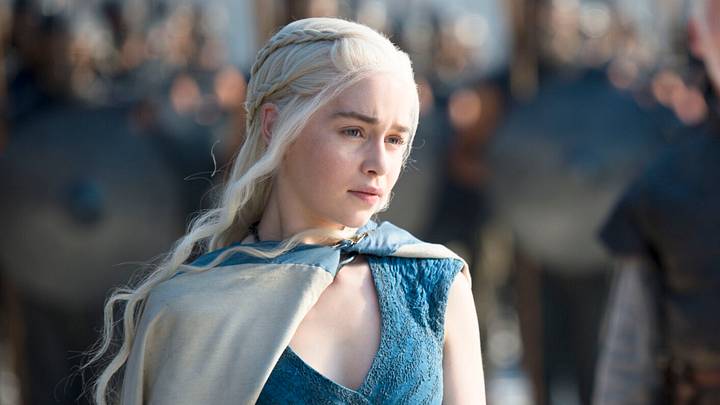
When Game of Thrones ended in 2019, it finished one of television history's biggest chapters.
Over eight seasons, HBO’s adaptation of George R.R. Martin’s novels turned a sprawling fantasy saga into a weekly event. A cast of hundreds, a budget to match and a reputation for killing off characters at the drop of a hat earned it high ratings. While the final season divided viewers, few could argue with the lasting impact of the world it built.
Since then, the franchise has continued with House of the Dragon and A Knight of the Seven Kingdoms, both of which have been renewed for another season. More stories are likely to follow.
Even so, the fandom is as enthralled with Game of Thrones' characters as it ever was with the A Song of Ice and Fire books, with some leaving a gap that has proven hard to fill. Whether they were heroes, villains or something in between, these characters brought Westeros to life.

Brienne of Tarth
Gwendoline Christie played Brienne with a mix of stoicism and vulnerability. Her oath to Catelyn Stark carried her through some of the series’ bleakest storylines, and her unlikely bond with Jaime and her loyalty to Sansa stood out in a world of shifting allegiances.
Brienne was a knight in everything but title, and the scene in which Jaime finally knighted her in season 8 stands among the finale’s most heartfelt moments. In a franchise full of schemers, an honest knight is a rare treat.

Joffrey Baratheon
Jack Gleeson played the boy king Joffrey Baratheon with such venom that audiences cheered when he got his comeuppance. Cruel, spoiled, and utterly self-obsessed, Joffrey was one of television’s best villains, and his order to execute Ned Stark sent shockwaves through the first season.
Gleeson’s performance made viewers despise him in a way that few villains manage. His death at the Purple Wedding became one of the show’s most celebrated moments, and the franchise has rarely matched the sheer loathing he inspired. TV, as a whole, will struggle to match his despicable evil.

Jaqen H’ghar
Tom Wlaschiha only appeared in a handful of episodes, but his mysterious Faceless Man was one of the most meaningful and impactful characters of the series. His calm demeanor and spooky third-person vernacular helped turn his killer persona into one that radiated more power than even the most muscle-bound warriors.
Every scene he had with Arya was memorable as viewers scrambled to work out if there was ever a real friendship between them. His offer of three deaths in Harrenhal became one of the early seasons’ great twists and the House of Black and White later made the character the gatekeeper of one of the franchise’s most intriguing secret societies.

Sandor “The Hound” Clegane
Rory McCann turned an irredeemable menace into a compelling antihero. Bitter and brutal on the surface, the Hound gradually revealed a conscience, most notably through his unlikely road trip with Arya, which gave him a sense of purpose.
His sharp, sardonic commentary on knights and honor cut through the pomp of King’s Landing, and few characters said what everyone else was thinking quite so bluntly. His fierce fight against Brienne in season 4 remains one of the most memorable duels in the series, and his ultimate redemption proved that Game of Thrones could work unprecedented magic with fantasy character development.

Jon Snow
Kit Harington’s Jon began as a bastard on the Wall and ended up at the center of the war for the realm. From his time with the Night’s Watch to the Battle of the Bastards, he was the poster boy of the series, and it was earned.
The revelation of his parentage and his stand at Hardhome gave the show some of its biggest turning points. His loyalty and his sense of duty made him one of the moral anchors of a story told in shades of grey, giving it a hero it sorely deserved.

Cersei Lannister
Lena Headey made Cersei a complex villain viewers loved to hate and, miraculously, understand. Ruthless, scheming, and fiercely protective of her children, she turned every scene at court into a power struggle. It was Cersei who told Ned Stark that “when you play the game of thrones, you win or you die,” and she lived by those words to the very end.
Her destruction of the Sept of Baelor remains one of the series’ most shocking moments, and the franchise has missed a presence so formidable. Through it all, her gilded cage kept her human and relatable and even heroic to the extent that she forged her own path, far ahead of her time.

Arya Stark
Maisie Williams grew up on screen as Arya, and she is now a nationally beloved actress. Arya's journey from defiant child to deadly assassin gave the series its revenge story, which is key to its makeup. Her early lessons with Syrio Forel, her list of names, and her years of training in Braavos turned a plucky child into one of the most feared people in the realm.
Few things in the series felt as earned as the way she survived the loss of her family and her role in the Battle of Winterfell. Arya was a fan favorite from the start, and the franchise has not had a hero quite like her since.

Tyrion Lannister
There were many episodes where Peter Dinklage’s Tyrion was the beating heart of Game of Thrones. A cynical avatar for George R.R. Martin and his contemporary take on fantasy, Tyrion was as witty and funny as he was flawed and unfailingly self-aware. He said exactly what viewers were thinking while carrying some of the show’s most emotional scenes.
His trial in season 4 remains a high point of the entire run, with Dinklage turning a single speech into the emotional peak of the season. Even as the story grew bleaker, the comic relief and pathos provided by Tyrion made him one of the best characters of the whole franchise.

Jaime Lannister
Nikolaj Coster-Waldau took one of the most hated characters of the early seasons and made him one of the most lovable—a significant feat. When Jaime first appeared, he was the arrogant Kingslayer who had thrown a child from a tower. Losing his sword hand and spending time as a prisoner with Brienne gradually changed him, revealing conflict, damage, and a yearning to break free from the cyclical game of thrones he felt trapped in.
His slow path from arrogance to honor is the show’s best redemption arc, and ending it right where it did was perfect, tragically. Some stories are meant to end. But happily, if George R. R. Martin supplies another book, Jaime's tale will get a new lease of life.

Daenerys Targaryen
Emilia Clarke carried Daenerys from a frightened exile to the Mother of Dragons. Her rise, from the plains of Essos to a claim on the Iron Throne, was no less than an inspiration, leading real-world mothers to name their babies after her.
In true Game of Thrones fashion, this was soon subverted by her turn to villainy in the last season. This was a shame—all that setup to end there didn't seem quite right, which George R.R. Martin also felt. Even that couldn't unthrone her as one of the best characters of the series and of TV in general.
Westeros has plenty of stories left to tell, and the franchise has proven it can still draw audiences, but the success of the original series’ best characters was a rare mix of writing, casting, and timing. A Knight of the Seven Kingdoms is a blessing, plunging the franchise back to its basics—incredible character development and real heroes. While waiting for new seasons, old and new fans alike will return to Game of Thrones for years to come.
 Add us as a preferred source on Google