

Journalism is a difficult industry now. With the integration of AI, endless layoffs, and uncertainty, it can feel daunting. Trust me, us writers know. But there was once a time, specifically in the early to mid-2000s, when there was an influx of niche media that made us want to work in communications.
The journalism fascination may have started in the 2000s but built into the golden age of social media journalism in the 2010s. So, aside from shows that already exist on streaming, here are four of our favorite pieces of media that inspired our love for communications as a career path.
1. The Devil Wears Prada
Nothing, and we mean nothing, makes an individual want to join the communications and journalism industry more than The Devil Wears Prada. Specifically, the first one. In case you have been living under a rock, this 2006 movie stars Anne Hathaway as Andy Sachs, a recent college graduate looking for her big break in journalism.
After hearing nothing from the jobs she applies to (relatable), she lands an interview at the prestigious Runway fashion magazine in New York for an assistant role. The only problem is Andy isn't a fashion girl, and she's an assistant for Miranda Priestly (Meryl Streep), who is considered to be a "dragon lady" in the fashion world.
Directed by David Frankel, everything about The Devil Wears Prada makes you want to join the magazine world. The shots of New York and of Andy running with coffee feel chaotic, but it makes the audience feel at home. Also, the glossy offices at Runway, with their ultra-modern feel and New York skyline, feel like a place where you'd want to spend your 9-5. The magazine's aesthetic mirrors Vogue, and even if Andy doesn't start in fashion, if this movie didn't make you want to be a fashion journalist, then you're crazy.
The film manages to romanticize a world where a low-paid assistant's drive and hunger pay off to connect her with writers and editors. To any young aspiring journalist, Andy feels like a kindred spirit until she turns into a Runway girl. The film balances promoting relatability and showcasing a high-stakes and exclusive world where normal people don't fit in. It's toxic, but it's also alluring. Much like certain aspects of journalism.
You can watch it on Disney+.
2. Ugly Betty
Ugly Betty is one of the best representations of 2000s journalism and fashion that exists. It starts with a similar story to TDWP. Hopeful Betty Suarez (America Ferrera) wants to be a writer. She lands an interview at Meade Publications, and after being turned away for how she looks, she's called back in and lands a job as the assistant to the editor-in-chief of Mode Magazine, Daniel Meade (Eric Mabius).
Despite its similar premise to The Devil Wears Prada, the show is nothing like it. Meade shares the same glamorous-style office as Runway, but Ugly Betty provides a deeper look into stepping into an industry where you don't "fit in," an insecurity that many journalists and writers feel.
Betty is a representation of the underdog fighting for a dream, despite not 'looking' the part and being from a Hispanic background. Her perseverance and positive attitude are inspiring to anyone with a dream, but especially to aspiring writers who have had no connections and have had to work their way up to land a writing position.
For the audience, she's great representation for what an honest career built from hard work and integrity rather than connections looks like. We're shown both sides of the coin, which is something communications-centered media shies away from.
Daniel Meade is a nepo baby and gets the job as the editor-in-chief because his father, Bradford, gives him the job. The show does a great job of showing how arrogant and unprepared Daniel is in the beginning compared to Betty, who wants to be a journalist more than anything. Also compared to his enemy, Wilhelmina Slater (Vanessa Williams), he isn't great.
For any communications enthusiasts, this show provides a notation of different roles, races, and how those people got to where they were. In the mid-2000s, it was realistic that many journalism positions, particularly in high places, were given to white men. Women like Betty and Wilhelmina break that mold and give hope to anyone that journalism and high-power roles are available to women of color.
Ugly Betty is on Disney+.
3. How to Lose a Guy in 10 Days
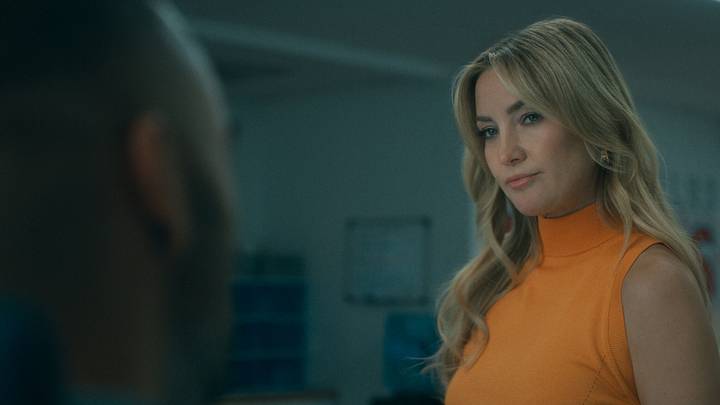
One of the best rom-coms and movies of all time is How to Lose a Guy in 10 Days. Andie Anderson (Kate Hudson) is a features writer at an upscale women's magazine called Composure. Her work centers around lifestyle features. The movie portrays her as a career-driven woman who is hungry for a story. Great.
The magazine setting is nothing special, but what makes this movie so great is its representation of boots-on-the-ground journalism. Andie's ideas keep getting panned by her editor, until she gets the idea for a hard-hitting feature when consoling her heartbroken best friend after a breakup. Michelle tells Andy about all the things she did while with her man, and Andy starts to think those things are what is turning men away. She pitches the idea to her editor, where she will find a guy, date him, and replicate those mistakes to see how quickly she can drive him away and write a 'how to' feature on it
The concept just works. Andy's wacky plan is set into motion when she meets playboy advertising executive Benjamin Barry (Matthew McConaughey), who has a counter bet going on: that he can make any woman fall in love in 10 days. If he wins, he gets to run a prestigious diamond campaign for his company.
This movie doesn't focus on the glamour of journalism, but it draws you in to wanting to be one with a mixture of bizzare stunts in the name of journalism. Andie goes crazy in the name of her article to drive Benjamin away by suffocating him and buying him a Love Fern. The movie pits the two characters' agendas against each other unknowingly, leading to a chaotic and hilarious dynamic that crashes and burns in the best way possible.
We're also shown some of the perks of being a lifestyle and features writer, with Andie attending upscale New York parties and bars, which can give perspective writers and journalists an idea of where they might want to be in their careers.
Composure also represents the peak of women's magazines with a busy newsroom and fancy New York office, which provides a glimpse into the world of some of the best-selling publications, even if in this case, this one is fake.
4. Confessions of a Shopaholic
Another underrated film in this 2000s genre is Confessions of a Shopaholic. Thankfully this movie isn't heavily centered on romance, but it depicts the real irony of doing a job or giving advice you're not qualified for.
Rebecca Bloomwood likes to shop and works as a journalist for a gardening magazine, but she dreams of joining fashion magazine Alette. As they all seem to do in 2000s films, she lands an interview, and when trying to shop on the way to her interview, her card is declined. Her desperate measures to fund her spending habits don't help her case, and when she arrives to her interview, they say the position is filled, but she can apply for a role at their neighboring money magazine, Successful Saving.
She ends up with a job and writing a column with unusual ways to safe money, which becomes popular. Still, she has debts to pay, which becomes a whole conflict throughout the movie.
The movie shows what can happen if you take a job you don't necessarily like. Rebecca is not a money expect by any means, but she manages to create an authentic and charming column under another name that gains her a loyal following. This does happen in journalism, where people write under a moniker (hello, Lady Whistledown) and gain respect without their name attached.
However, this movie turns passion into influence and captures the adrenaline of a budding journalism career while covering subjects you aren't necessarily interested in or fluent in, but you can creatively write about.
It's encouraging because Rebecca's unique way of spinning things earns her respect despite people doubting her skills. It reminds journalists that they can step outside of their niche and still succeed.
 Add us as a preferred source on Google