

One of film and television's most powerful assets is their ability to bring real-life stories to the forefront, preserving the legacies of pioneering individuals and defining moments in history. Through biographical storytelling, audiences can connect with people and experiences that might otherwise remain untold, keeping their stories alive for generations to come. The importance of bringing these often-overlooked stories to wider audiences cannot be understated, and one of the latest examples is the retelling of the historic 1953 Everest expedition.
Now streaming on Apple TV, Tenzing is a historical drama centered on Tenzing Norgay and Edmund Hillary, the mountaineers who made history with their ascent of Mount Everest in 1953. Starring Genden Phuntsok, Tom Hiddleston, Caitríona Balfe, and Willem Dafoe, the film brings this remarkable expedition to life, offering audiences a fresh perspective on one of the most significant achievements in mountaineering history. Since its release, Tenzing has also attracted a positive response from audiences and film festivals.
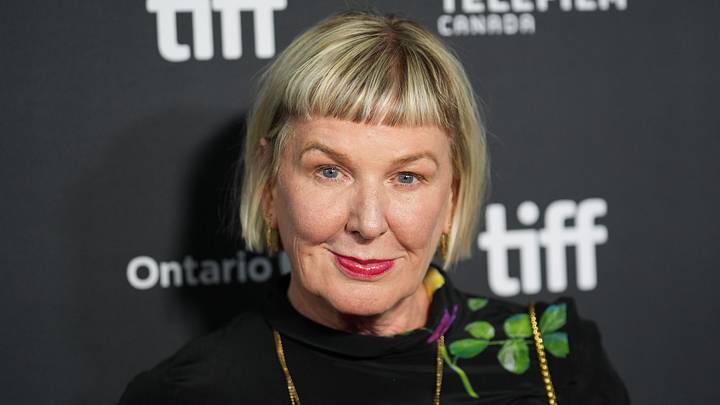
However, bringing a story of this scale to the screen requires just as much dedication behind the camera as it does in front of it. From navigating some of the world's most challenging environments to coordinating the many moving parts of a major film production, the process presents its own unique set of obstacles. I was fortunate enough to speak with Liz Watts (Little Fish, The King and The Royal Hotel), producer and Head of Film and Television at See-Saw Films. In our exclusive interview, Watts reflects on the challenges and rewards of bringing Tenzing to life, offering insight into the extraordinary teamwork, planning, and resilience required to tell this remarkable story.
Liz Watts on the Tenzing experience
Tenzing tells the remarkable biographical story of Sherpa Tenzing Norgay’s historic 1953 ascent of Mount Everest alongside Edmund Hillary. What was it about this extraordinary moment in history that initially inspired you to contribute to bringing the story to life?
WATTS: The ability to tell an extraordinary historical moment through a different lens—the story of Tenzing Norgay and how he came to be on that mountain in the first place—was fascinating to me. Tenzing had to overcome so many hurdles to even be there in the first place! And also then to have a story that is about the connection to the land, to the mountain, and his spiritual return home—this was also very attractive as a story for me!
Filming Tenzing presented a number of logistical challenges, from unpredictable weather conditions to coordinating shoots in specific locations on particular days. What was the most significant challenge the crew faced when filming on location?
WATTS: It is a film that asked an enormous amount of the people who made it. We were at the mercy of so many elements, the weather above all, and the sheer scale of what we were attempting. It took extraordinary skill, resilience, and good humor to bring it to the screen, and the cast and crew we had on the film—well, they had all three of those qualities in abundance. There was a huge amount of planning and then also expert guidance—from mountain experts in alpine safety to cultural and language experts for the Tibetan, Sherpa, and various languages in the film. We had great people with us, basically!
The film features an outstanding cast who deliver deeply moving and powerful performances, bringing a story that many viewers may be unfamiliar with to life. What was the most meaningful or impactful part of the experience for you in telling this story?
WATTS: It was an incredible experience making this film. I won’t deny it was also incredibly challenging! But the teamwork on the film was so extraordinary. It came from Jen—she is such a vivid storyteller, and we all wanted to experience the thrill of being on the mountain but also tell a story that had real emotional depth. For me, that’s been a wonderful experience.
Since its recent release, the film has received a very positive response from mainstream audiences. How rewarding is it to see such an enthusiastic reception, knowing that you have helped bring this remarkable story to a wider audience and share it with the world?
WATTS: The story of Tenzing is of the human spirit overcoming adversity and seemingly insurmountable odds. That and the unique lens on history, plus the very real emotional relationships in the film, have such a wonderful effect on the audience—it's no longer a story about conquest or ego and glory; it’s a story of respect and a certain amount of humility. It’s a story of hope.
This historic ascent of Mount Everest represents not only an extraordinary feat of human endurance but also a story of determination, highlighting community, sacrifice, and legacy. What do you hope audiences take away from the film and carry with them?
WATTS: Tenzing is a reminder that in some ways, like Tenzing, our human spirit must find its way home too, back into alignment with the natural world in which we live. It is a story of hope, real achievement, and respect. And right now, maybe that’s a lovely inspiration for people to take away with them.
Tenzing is now available to stream on Apple TV.
 Add us as a preferred source on Google