

HBO Max has become one of the most popular streaming services for audiences to discover new stories and catch up on their favorite series. There have been a lot of popular shows on the platform that have dominated charts and viewing figures, and HBO has become more successful because of it. With the rise of streaming platforms, it was an important decision for HBO in 2020 to offer the platform.
There has been a general rise in the popularity of streaming platforms and the convenience they allow people to have when they want to catch up on movies and television. There are more available now than ever, and in the production of these platforms, it is important that channels keep up with the demand. The best way to do this is to keep getting as many series to the platforms as possible.
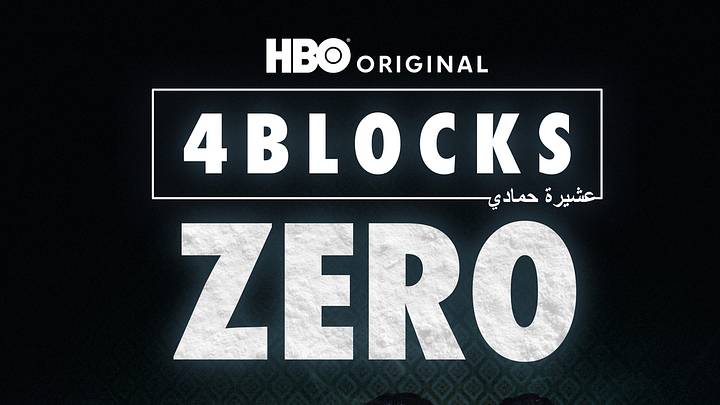
Prequel to the 4 Blocks series, 4 Blocks Zero, recently premiered on HBO Max and gave fans of the series earlier insights into the stories of the characters from the 2017 original. Prequels are always a popular choice, as they can expand on and also clarify stories. Director of some of the original series and the new prequel series, Özgür Yıldırım discusses more about the production.
What made you most want to return to the world of 4 Blocks and tell the story of the Hamady family in the early years? Was there a particular part of their history you felt had never been fully explored or an area you wanted to bring fresh ideas to the most?
I did ask myself whether I really wanted to tell another gangster story. But Anke Greifeneder at HBO Max asked us to tell a story that hadn’t been told before: In Germany, there is this prejudice that Arabs, especially those involved in crime, are simply “like that” and always have been. But many of the political decisions made in the 1990s played a part in shaping the circumstances we see today. 4 Blocks Zero lets us shine a light on that aspect. The series is about a family that fled the war in Lebanon. They didn’t come to Germany planning to become criminals or take advantage of a wealthy country. They came because they wanted to build a new and better life. But circumstances, including failed migration policies, gradually push them onto the wrong path.
At the same time, Germany did offer them opportunities, so the state isn’t solely responsible. Individual choices matter too. You can see that dichotomy in the characters Malik and Ibrahim: one tries to resist the temptation of quick money and build an honest life despite all the obstacles, while the other decides to seize an opportunity and profit from it.
Prequels come with many unique challenges, one being that audiences already have an idea of where certain characters end up and large parts of their stories. What did you draw on, and was it hard to build tension and create surprises when viewers know something of a character's future?
Most stories aren’t really about what happens in the end but about how you get there. When I watch Titanic, I obviously know the ship is going to sink. But I’m still invested. How does it happen? What happens on that ship, and especially between Leonardo DiCaprio and Kate Winslet?
The characters in 4 Blocks Zero are still far removed from the adults they will eventually become. People who watched 4 Blocks will constantly ask themselves how this young Ali turned into Toni Hamady. At the same time, you don’t have to know 4 Blocks to enjoy his journey.
We’re also introducing completely new characters and perspectives. 4 Blocks Zero is a complex, dark, but also heartwarming family story. That’s what makes it exciting, even if you already know where some of these characters will eventually end up.
The series takes us back to Berlin in the 1990s. What were the challenges of recreating 1990s Berlin, and what was the biggest reward of creating this fictional world around a real place?
The greatest reward is seeing how strongly audiences respond to the series itself and hearing people say they recognize “their” Berlin in it.
I grew up in the 1990s, so that was my youth. I still remember how badly we dressed, the hairstyles we had, the music we listened to. With this series, we can bring that world, a time without smartphones and computers, to a younger generation as well.
Recreating it was obviously challenging. So many things have to come together: the sets, costumes, hair, and make-up, but also the language. Everyone involved took on that challenge with an incredible amount of passion and attention to detail. I wanted the historical context to feel effortless rather than constantly reminding the audience that they’re watching the ’90s. If you focus too much on showcasing the era, you miss out on the story. I think allowing the ’90s to exist naturally in the background ultimately made it feel more authentic.

Do you think understanding where these characters came from will change how audiences judge decisions they make in the original series?
Even I see 4 Blocks differently now. In 4 Blocks, Toni and Abbas are already deeply involved in organized crime. In 4 Blocks Zero, we get their backstory and discover that they were once just ordinary boys with dreams who wanted to build a good life for themselves.
We see how they stray from that path, and we realize that the reasons behind it are much more complex than they might initially appear.
What do you hope audiences take away from 4 Blocks Zero, especially those who have never watched the original 4 Blocks?
A little bit of German history, but above all, I hope they learn not to judge people or situations too quickly. In the very best case, the series might make them question their first impression. You don’t have to have watched 4 Blocks to know that the Hamadys end up involved in organized crime. 4 Blocks Zero shows that there is always another perspective to consider. If, instead of simply judging them, you approach these characters with empathy and try to see the world through their eyes, you realize that yes, they make bad choices, but sometimes their options are very limited.
And maybe one more thing: don’t be prejudiced against prequels. They can work.
4 Blocks Zero is streaming now on HBO now.
 Add us as a preferred source on Google