

Some shows give us huge millennial vibes, whether they're from 2008 or 2026. A new TikTok trend, poking fun at millennial burger joints (ouch), takes us back to the millennial prime, back when Tumblr and We Heart It aesthetics were all people could think about.
While I may not be a millennial (zillennial, over here), I know which shows give off those vibes. So if you're feeling nostalgic or just want to feel something, keep reading to find out which shows give off the most millennial vibes ever!

1. New Girl (2011)
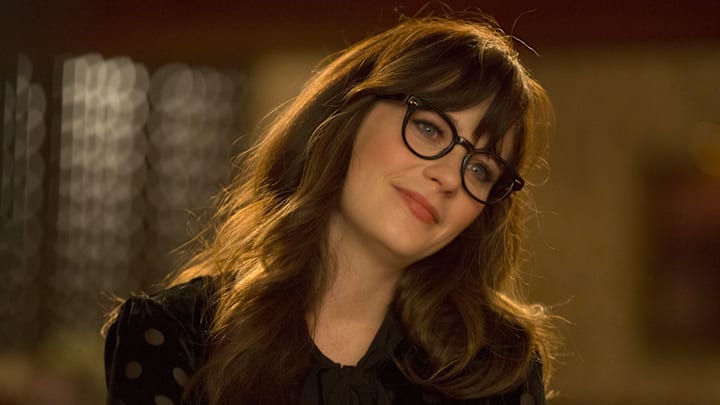
Without a shadow of a doubt, New Girl is the most millennial show ever, and that's not reflective of the cast's ages. Primarily, it's because Jessica Day (Zooey Deschanel) is the most millennial-coded character you've ever encountered. But what does that mean?
Well, Jess is a quirky late-twenty-something we meet when she, fresh from a breakup, moves into an apartment with three rowdy men: Nick Miller (Jake Johnson), Schmidt (Max Greenfield), and Coach (Damon Wayans Jr.).
Her millennialism, as I like to call it, comes from the way her character is written and dressed. Jess wears big square 'nerd' glasses, worn unironically back in 2012 on Tumblr. Also, Jess dresses like she's older than she is, but she does look like her job as a teacher. Think Peter Pan collars, skater skirts, and ruffles. She loves business casual, too.
As the show is set in 2011, Jess is a product of her time. She's written to reflect the cultural landscape of millennials at the time. Late twenties living, bold fashion, and the 'adorkable' subtype. But aside from Jess, New Girl plays into other millennial stereotypes with men. Nick is Jess' roommate and future love interest, but he plays into the trend of the time of delayed adulthood, something that was trendy in New Girl's earliest seasons. Honestly, we'd prefer that to the garbage hustle culture of today.
Nick begins working in a bar in what is considered a dead-end job and, like Jess, is recently single. Both characters lean into the delayed adulthood archetype. Jess is whimsical, while Nick is a cynical man who refuses to embrace milestones such as marriage, job changes, and having children. We can say the same about the other men, who fit other stereotypes of the time. Schmidt is the group's playboy, but it's his humor that puts him in this category.
Schmidt parodies the idea of a modern 30-something-year-old man trying to relive his glory days while transitioning into a digital world where he's not considered 'cool' anymore. It's his obsession with being like this that makes him very millennial-coded, because he wants to be desired by the ladies and seen as hip by the younger generation. Arguably, Schmidt's Playboy persona also ties into the stereotype of the 2000s. We may see him as a bit of a John Tucker, but Schmidt has the depth of a misunderstood millennial man trying to live up to societal expectations. New TV shows don't do it like that anymore!

2. Nobody Wants This (2024)
Nobody Wants This is an interesting case study. It's not set in the height of millennial-intended TV shows, but it sure feels like one. This Netflix rom-com follows Joanne (Kristen Bell) and her sister Morgan (Justine Lupe) as they host their surprisingly successful dating and relationships podcast, Nobody Wants This. In the beginning, Joanne meets hot rabbi Noah (Adam Brody), and they start a relationship affected by religious differences and modern dating.
Aside from millennial and 2000s royalty starring in the show (hello, The OC and Veronica Mars), both characters act like a millennial couple when they're on-screen. Like, the way they communicate is reflective of a healthy relationship, constantly checking in with each other and analyzing situations to see how the other feels. Noah especially challenges Joanne because he communicates in a therapy-aware way, which is refreshing. Really, the acceptance of mental health and the use of therapy have only become widely accepted in the last ten years. Dare we say millennials are the ones who advocated for it, and people like Noah broke the miscommunication cycle?
The 90s and 2000s were riddled with shows and couples that romanticized the miscommunication trope. Ross and Rachel and Carrie and Mr. Big are some of the worst offenders of this trope, but Joanne and Noah stop that.
The show is aware of how different dating is compared to how it was for millennials when they were in their 20s. Joanne and Morgan discuss the troubles of dating apps and the struggle to meet men naturally in the modern era. Even in the 2000s, people still met organically in social settings, on the street, and rarely online. That's the era Joanne and Morgan come from, and lo and behold, where does Joanne meet her millennial man? At a party!
Many of the show's characters toe the line between modern cultural and earlier cultural standards. Joanne is still somewhat prudish about discussing her relationship, a common identifying trait in millennial media, but she embraces the modernity of the podcast.

3. The Summer I Turned Pretty (2022)
Walk with us here, but this show gives off millennial vibes, even if its focus is not. The show follows Isabella 'Belly' Conklin (Lola Tung) as she goes to a beach house in the town of Cousins every summer, where she stays with her mom's best friend, Susannah, and her two sons, Jeremiah (Gavin Casalegno) and Conrad Fisher (Christopher Briney).
TSITP is very millennial because its creator and the author of the books, Jenny Han, wrote it during the height of millennial love stories. Because of that, Han follows one of the most common tropes in beloved millennial movies and TV: the love triangle. The most popular shows from this period featured high-profile love triangles. Spike, Buffy, and Angel; Brenda, Kelly, and Dylan; and Dawson, Pacey, and Joey captivated viewers for years until one inevitably became endgame at the end of the show.
Jeremiah, Belly, and Conrad have become a rollercoaster of their own and follow the same format. Season 1 begins with Belly having a silent crush on Conrad, which soon blossoms into something more while she also starts to have romantic interactions with Jeremiah. Season 1 concludes with Belly and Conrad confessing their feelings and dating, and season 2 ends the same way, with Belly secretly entering a relationship with Jeremiah (she and Connie are broken up by this point), and the cycle continues. Not to mention, both boys are painfully stereotypical. Jeremiah is the sweet, carefree boy who openly shows his love for Belly, while Conrad is the brooding and silent yearner. Did we also mention he dresses like a coastal dad in a 90s rom-com?
One Huffington Post article highlighted why the show resonates with millennials and Gen Z. One reason was escapism, as writer Hollie Geraghty wrote, "Sometimes we just want to watch our silly little summer show and disappear for a bit."
TSITP offers lots from the golden age of TV that millennials are so nostalgic for: a spicy love triangle, escapism, and men who fit the character archetypes of millennial love interests.

4. Industry (2020)
So Industry is one of the shows set during the height of the 2008 financial crisis, something many from this generation remember well. The show follows young finance graduates as they struggle to get jobs during the recession. What Industry brings to the table is a representation of work culture and the inevitable burnout that comes from working too hard.
Showcasing the behavior of young millennials, the show depicts the hungry graduates as motivated and anxious, a common part of millennials entering the workforce during one of the most brutal job markets. While Industry is set in 2008, it is painfully relatable to those in 2026.
Set at fictional bank Pierpoint & Co., the show explores themes of wealth, class, and gender, reflecting a 2008 cultural view of these topics. We see varying degrees of young characters who become their work. Harper Stern is an example of someone who is a victim of a ruthless work culture. She is ambitious but will bend her morals to get ahead of her colleagues. Similarly, Hari, a working-class employee at the bank, is a victim of the culture, but instead of bending morals to get ahead, Hari resorts to drastic measures.
Sadly, the lack of work-life balance in the show represents the attitude to work at the time and the "work hard, play hard" attitude. Unlike today, there's barely any talk of work-life balance or working from home, and it reflects the daunting first in-office experience many graduates at the time (millennials) had.

5. Gilmore Girls (2000)
Gilmore Girls is a quintessentially millennial show. Rory Gilmore, born in 1984, is at the coming-of-age stage in her life. The show follows her and her mother, Lorelai, as they navigate life in a small town, careers, love, relationships, friendships, and everything in between.
What makes this show very millennial are the jokes, the pop culture references, and the small-town 2000s feel. Many shows from this time had that small-town vibe going; think Buffy the Vampire Slayer, Everwood, Smallville, and the list goes on. The audience is watching a coming-of-age story of a millennial teenager.
Those who watched the show as it aired will remember watching all of Rory's life milestones, and if they were a teen at the time, some may've coincided with hers. Even Lorelai, who by definition is Gen-X, feels like a millennial character. Rory and Lorelai act like best friends, and because Lorelai had her daughter at 16, she's not far removed from being young, compared to other parents on the show.
As the show was just as popular as when it aired, it is a staple in fall rewatches everywhere, and a staple of many milleninial's adolescence and childhoods.
 Add us as a preferred source on Google